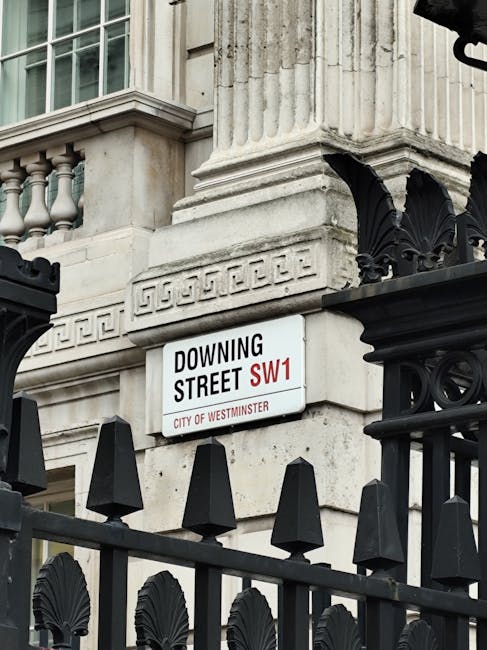
SW1 removals tips for moving in Belgravia and Pimlico
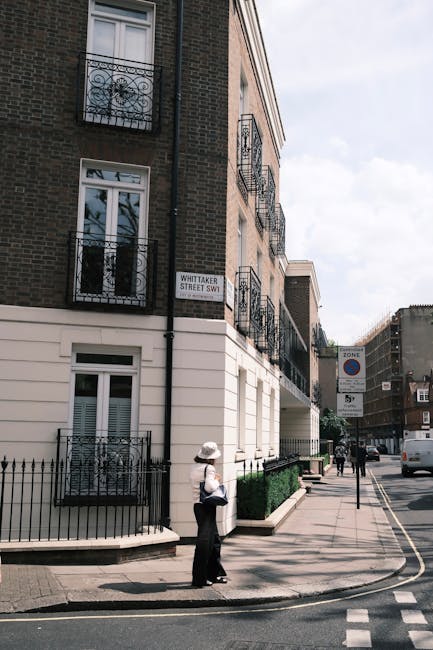
Moving in SW1 can feel deceptively simple on paper. In reality, Belgravia and Pimlico have their own rhythm: elegant terraces, mansion blocks, narrow side streets, busy parking conditions, and the kind of access issues that only become obvious on moving day. If you are looking for practical SW1 removals tips for moving in Belgravia and Pimlico, this guide walks through the parts that matter most: planning, packing, timing, vehicle choice, building access, and the little details that save time and stress.
Truth be told, most removals go sideways because one or two details were assumed rather than checked. A lift was smaller than expected. A bay was not available. A piano, wardrobe, or sofa arrived at the doorway and suddenly no one had measured the turning space. That is why local knowledge matters here. The right approach can make the difference between a calm move and a long, tiring day that drags into the evening.
This article is built to help you prepare properly, whether you are moving from a top-floor flat, a family home, or a small office. You will also find a checklist, a comparison table, and practical advice on when to consider man and van support, flat removals, or broader removal services. Let's get the move set up properly.
- Why SW1 removals tips for moving in Belgravia and Pimlico matters
- How the moving process usually works in SW1
- Key benefits and practical advantages
- Who this is for and when it makes sense
- Step-by-step guidance
- Expert tips for better results
- Common mistakes to avoid
- Tools, resources and recommendations
- Law, compliance, standards, and best practice
- Options and comparison table
- Case study or real-world example
- Practical checklist
- Conclusion
- Frequently asked questions
Why SW1 removals tips for moving in Belgravia and Pimlico Matters
Belgravia and Pimlico sit close together, but moving in each can still feel slightly different in practice. Belgravia often means larger homes, mews properties, basement access, and premium furniture that needs a careful touch. Pimlico often brings compact flats, period conversions, and stair-heavy buildings where every extra box starts to matter. In both places, space is at a premium and access is rarely generous.
That is why general moving advice is not enough. SW1 removals need a more local, practical plan. You are not just moving objects from one address to another. You are navigating streets where parking can be tight, building access can be awkward, and your timings may need to fit around neighbours, porters, lift slots, or loading constraints.
A move in this part of London also tends to involve higher-value items and more careful handling. Even if your belongings are modest, the environment itself asks for a bit more thought. You can't simply turn up with a van and hope for the best. To be fair, that is how people end up with delays, extra labour, and a frazzled mood before lunch.
Good preparation also protects your budget. If you choose the wrong vehicle size, underestimate packing time, or fail to confirm access details, the move may take longer than expected. The result is often avoidable cost and unnecessary pressure. A smart plan, on the other hand, can make a big city move feel surprisingly manageable.
How SW1 removals tips for moving in Belgravia and Pimlico Works
At a practical level, a successful local move comes down to four things: accurate information, the right moving setup, sensible packing, and clear timing. Once those are in place, the rest becomes much easier.
First, you need an honest picture of both properties. What floor are you on? Is there a lift? Are there narrow staircases, low ceilings, or awkward corners? Can a removal van stop close to the entrance, or will the team need to carry items farther? These details sound small, but they change how long a move takes and what resources are needed.
Second, the service you choose should match the size and complexity of the move. A lighter load from a one-bedroom flat may suit a man with van arrangement. A larger household move may be better handled through house removals or a broader removals solution. If you are moving offices or a business unit, commercial moves and office removals become more relevant.
Third, packing needs to be disciplined. In compact SW1 properties, sloppy packing magnifies itself. Boxes that are too heavy slow everything down. Loose items eat up space. And the classic mystery bag of cables? It somehow disappears exactly when you need it most. Label clearly, group similar items together, and keep essentials separate.
Finally, the move should be timed properly. A lot of local disruption can be reduced by choosing a sensible start time, confirming building rules, and avoiding the busiest stretch of the day where possible. You do not need a perfect plan. You just need a workable one.
Key Benefits and Practical Advantages
The main benefit of following proper SW1 removals tips is not just efficiency. It is calm. You know where things are, when they are moving, and what might slow the day down. That kind of clarity saves energy, and moving day needs energy.
Here are the practical advantages people notice most:
- Fewer delays: Clear access planning reduces waiting time outside the property.
- Less damage risk: Better packing and handling reduces knocks, scuffs, and broken corners.
- More accurate costing: When the job is properly scoped, quotes tend to be more realistic.
- Easier coordination: If you are moving with family, tenants, or colleagues, everyone knows the plan.
- Less physical strain: The right team, van size, and equipment reduce heavy lifting.
There is another benefit that gets overlooked: your move feels less intrusive. In neighbourhoods like Belgravia and Pimlico, it is helpful to keep disturbance to a minimum, especially where neighbours are close, hallways are shared, and building etiquette matters. A tidy, organised move simply tends to go down better all round.
If you are not sure what level of support you need, it can help to compare different service types. Some people only need a removal van and a couple of helpers. Others benefit from full removal services, plus packing help via packing and boxes support. There is no single correct answer; the right option depends on the property, access, and your own schedule.
Who This Is For and When It Makes Sense
This guide is for anyone moving in SW1 who wants fewer surprises and a smoother day. That includes long-term homeowners, renters, landlords, office managers, students, and people relocating within Westminster or beyond.
It makes particular sense if you are:
- moving from or into a flat with stairs or a tight lift;
- dealing with a full household, not just a few bags and boxes;
- moving valuable or awkward items like mirrors, artwork, or a piano;
- under time pressure and need same-day removals support;
- staging a business relocation where downtime matters;
- trying to coordinate a handover date with cleaners, contractors, or inventory checks.
Sometimes the move is smaller but still awkward. A student leaving a Pimlico flat may only have a few items, but if there is no parking close by and the sofa will not fit in the lift, the job can still turn into a long carry. In those cases, even a modest service can make a huge difference. You do not need a giant removal truck to need proper planning. Honestly, that is where people get caught out.
It is also worth considering whether storage might help. If your new place is not ready yet, or you are waiting on decorating, flooring, or furniture delivery, temporary storage can make the transition much easier.
Step-by-Step Guidance
If you want a straightforward plan, follow these steps in order. They are not fancy. They just work.
- Survey both addresses carefully. Measure large furniture, check stair widths, note lift dimensions, and look for awkward corners or low ceilings.
- Confirm parking and access details early. Think about loading space, entry codes, concierge instructions, and whether any items will need to be carried a distance.
- Choose the right moving setup. Match the vehicle and team to the size of the load, the amount of lifting, and the access at both ends.
- Declutter before you pack. The less you move, the easier everything becomes. If you do not need it, now is a decent time to let it go.
- Pack room by room. Keep categories together, label all sides of the box, and do not overload boxes with books or crockery.
- Prepare essentials separately. Keep documents, chargers, medication, keys, snacks, and basic toiletries with you.
- Protect fragile items properly. Use paper, blankets, or bubble wrap where appropriate, and keep glass vertical when possible.
- Tell your building management or neighbours if needed. A quick heads-up can prevent misunderstandings on the day.
- Have the first-night box ready. Kettle, mugs, bedding, a phone charger, and a change of clothes can save a lot of wandering around later.
- Check off the property before leaving. Look in cupboards, behind doors, inside drawers, and under beds. That last minute sweep catches a surprising amount.
A useful rule of thumb: if it would be annoying to replace, pack it carefully. If it is awkward to carry, measure it twice. Simple, but it saves hassle.
Expert Tips for Better Results
The details matter most in Belgravia and Pimlico. Here are the tips that tend to make the biggest difference in real life.
- Use colour coding for rooms. It sounds a bit school-project-ish, but it speeds up unloading and reduces confusion.
- Keep tall furniture ready for dismantling. Wardrobes, bed frames, and shelving often move more safely when broken down first.
- Wrap corners and edges. Door frames, banisters, and table corners are the usual casualties during tight turns.
- Put heavy items in smaller boxes. A box should be liftable, not heroic.
- Take photos before disassembling. Especially for furniture with fittings, brackets, or cable layouts.
- Book the right team for the property type. A compact flat move is not the same as a multi-floor house move, and the service should reflect that.
One thing we often see is people planning the van and forgetting the carry. The van may be parked perfectly, but if the route from front door to vehicle involves stairs, intercoms, and a courtyard, the time adds up. It always does. The more honest you are about the access, the better the outcome.
If you are moving a business, this is even more important. For offices, think about file safety, IT equipment, timing around staff, and whether you need office relocation services rather than a standard household move. Different jobs, different risks.
Common Mistakes to Avoid
Most moving mistakes are familiar. The frustrating part is that they are also avoidable.
- Underestimating access issues: A beautiful building can still be a logistical puzzle.
- Packing too late: Last-minute packing leads to mixed boxes, broken items, and missing essentials.
- Choosing the wrong vehicle size: Too small means multiple trips. Too large may be awkward where parking is limited.
- Ignoring fragile or specialist items: Pianos, artwork, and antiques need more than generic handling.
- Forgetting building rules: Some properties have preferred loading times, lift booking requirements, or access procedures.
- Leaving clutter until moving day: That is how the whole job gets slower for no good reason.
Another common slip is assuming all moving companies work in the same way. They do not. Some are better suited to smaller local jobs, while others are set up for full domestic or commercial relocations. If you are comparing providers, it can help to look at removal companies alongside service-led options, and decide which model suits your move best.
And please, if you have a lift reservation, write it down somewhere obvious. Not in a random note on your phone. In our experience, that is the sort of detail people swear they will remember. Then moving day arrives and, well, it vanishes into thin air.
Tools, Resources and Recommendations
You do not need a pile of specialist gear, but a few tools make the whole process easier.
- Strong boxes in mixed sizes: Especially useful for books, kitchenware, and mixed household items.
- Packing tape and a dispenser: Saves time and gives a neater finish.
- Marker pens and labels: Essential if you want to find things quickly later.
- Furniture blankets and wraps: Helpful for protecting wood, glass, and finishes.
- Trolley or moving straps: Useful for heavier items where safe handling matters.
- Basic toolkit: Screwdrivers, Allen keys, and tape measure, because something always needs adjusting at the last moment.
For many people, professional help is the best resource of all. If you want hands-on loading and transport without booking a full-scale household team, a man with a van or man with a van style service may be enough for smaller loads. If you need more support, broader removal services can cover packing, lifting, transport, and unloading in one coordinated visit.
For pricing clarity, it is wise to compare the scope rather than just the headline number. The cheapest option is not always cheapest once waiting time, multiple trips, or extra labour are included. If you are unsure, checking pricing and quotes early can help you understand what is included and what is not.
Law, Compliance, Standards, or Best Practice
For a residential or office move in SW1, you do not usually need to become an expert in transport law overnight. Still, a few standards and duties matter in practice.
First, anyone handling your items should operate safely and responsibly. That means sensible lifting, suitable equipment, and clear attention to damage prevention. If a provider has written health and safety guidance, that is a good sign. You can review this kind of approach through the site's health and safety policy and insurance and safety information.
Second, if you are moving out of a rented property, your obligations may include leaving the property in the agreed condition, returning keys properly, and making sure items included in the inventory remain in place unless agreed otherwise. That is not glamorous, but it matters.
Third, commercial moves often require additional care around records, equipment, and timing. Businesses should think through confidentiality, continuity, and staff access. If that is your situation, office removals or office relocation services are usually more suitable than a casual DIY approach.
Best practice also means clear terms, secure payment handling, and straightforward customer communication. If you want to understand how the company approaches these things, the relevant pages include terms and conditions and payment and security.
There is a quiet confidence in working with a team that follows basic standards well. No drama. No guessing. Just a controlled, careful move.
Options, Methods, or Comparison Table
Here is a practical comparison of common move types for Belgravia and Pimlico. The best choice depends on property size, access, budget, and how much help you actually want.
| Option | Best for | Strengths | Watch-outs |
|---|---|---|---|
| Man and van | Small flats, a few rooms, lighter loads | Flexible, efficient, often a good fit for local moves | Less suitable for larger homes or complicated access |
| Flat removals | Apartment moves with stairs, lifts, or limited storage space | Practical for compact London properties | Needs proper packing and access planning |
| House removals | Full-house moves with more furniture and boxes | More comprehensive support and better for larger inventories | Usually needs more lead time and planning |
| Same-day removals | Urgent or unexpected moves | Fast response when timing is tight | Availability can be limited and packing still needs care |
| Storage plus removals | Delayed handovers, renovations, or temporary overflow | Flexible if dates do not line up neatly | Requires two-stage planning |
If you are moving on a tight schedule, the simple question is this: do you need transport only, or do you need labour, handling, and planning too? That answer usually points you to the right service.
Case Study or Real-World Example
Here is a realistic example from the kind of move that happens often in SW1. A couple moved from a Pimlico flat into a Belgravia townhouse-style property after a sale and purchase lined up tightly. The flat had a narrow stairwell, no useful front loading space, and a sofa that was just slightly too long for the lift angle. Classic.
Instead of waiting until moving day, they measured the biggest items a week earlier and flagged the access issues in advance. They used smaller boxes for books, packed kitchen items separately, and kept bedding and essentials in one labelled bag. The removal team arrived knowing which items needed careful handling and which ones could go first.
The move still took proper effort. It was not magical. But because the access details were clear, the van was sized appropriately, and the packing was sensible, the day stayed under control. No one was left standing on the pavement wondering why the wardrobe would not fit. That alone was worth the planning.
What made the difference was not luck. It was preparation, a realistic understanding of the property layouts, and a move plan that matched the streets rather than fighting them.
Practical Checklist
Use this checklist a few days before moving.
- Measure large furniture and doorways.
- Confirm lift access, stair count, and any building restrictions.
- Check parking and loading arrangements at both addresses.
- Decide whether you need man and van, house removals, or a more tailored service.
- Gather boxes, tape, labels, and wrapping materials.
- Pack one room at a time.
- Prepare a first-night essentials bag.
- Separate valuables and documents.
- Arrange storage if the dates do not line up.
- Confirm your quote, timing, and any special handling requirements.
- Leave a final room-by-room sweep for the end.
Quick takeaway: in Belgravia and Pimlico, the best removals are usually the ones that look almost boring on the day. That is a compliment. It means the planning did its job.
Get a free quote today and see how much you can save.
Conclusion
Moving in Belgravia or Pimlico is rarely just a transport job. It is an access job, a packing job, a timing job, and a people job all at once. If you take the time to plan properly, the move becomes much easier to manage and far less stressful to live through.
The smartest SW1 removals tips are simple ones: measure honestly, pack carefully, choose the right service, and respect the quirks of the local streets and buildings. Do that, and you give yourself a much better chance of a smooth day.
And if you are still in the planning stage, that is fine. Start with the essentials, keep the process steady, and do one thing at a time. That is usually how the best moves happen anyway.
By the end of the day, the aim is not perfection. It is getting through the door, settling in, and feeling relieved enough to put the kettle on.
Frequently Asked Questions
What are the most useful SW1 removals tips for moving in Belgravia and Pimlico?
The most useful tips are to measure access carefully, pack room by room, choose the right vehicle size, and confirm parking or loading arrangements before moving day. Those four steps prevent most of the common delays.
Is a man and van service enough for a move in Pimlico?
It can be, especially for a small flat, student move, or light household load. If you have lots of furniture, difficult stairs, or fragile items, you may need a broader removals service instead.
How early should I book removals in Belgravia or Pimlico?
As early as you can, especially if your move involves a specific completion date, a weekend slot, or tricky building access. A little extra lead time usually helps with planning and availability.
Do I need storage if my new place is not ready yet?
Yes, storage can be a practical solution if there is a gap between moving out and moving in, or if you are renovating. It can take a lot of pressure off the timetable.
What should I do about bulky furniture that will not fit through a narrow stairwell?
Measure it properly first and consider dismantling what you can. Some items are better moved by experienced handlers, especially if corners, banisters, or lifts are tight.
Are flat removals different from house removals?
Yes. Flat removals often involve more shared access, stairs, lifts, and parking sensitivity. House removals may involve more furniture and a larger load, so the planning changes slightly.
How can I make moving day less stressful?
Keep your essentials separate, label everything clearly, and confirm access details in advance. It also helps to finish packing the day before, if possible. Not always easy, but worth it.
Should I compare removal companies by price only?
No. Compare what is included, how much support you need, and whether the team is suited to your property type. The cheapest quote can become expensive if it does not cover the real job.
Can removals help with packing as well as transport?
Often yes. Some moves only need transport, while others benefit from packing and unpacking support. If you want less stress, it is worth considering a service that includes more than loading the van.
What should I check before booking same-day removals?
Check availability, access at both addresses, and whether your items are already packed and ready. Same-day moves can work well, but they still need clear information and realistic expectations.
What is the best option for an office move in SW1?
For business moves, look at office-specific support rather than a general household move. That usually means considering office removals or office relocation services, particularly if you need less downtime.
How do I know if I need professional help at all?
If you have heavy furniture, awkward access, tight timing, or more than a couple of rooms to move, professional help is usually worthwhile. Even a small amount of support can take a lot of weight off your shoulders.